Huh never realized that for gas but makes sense. Parents had a gas stove that I hated turning it on as a teen cause if it didn’t light I felt like I had to wait some time, don’t recall thinking of the fan even then which would have been the obvious solution but then I wouldn’t be sure the gas hasn’t accumulated cause well no Google back then to check.
Usually gave it like 4 clicks (of the spark trying to light it) if not lit then wait a bit. I sort of wish I understood gasses better, even if I knew high school chemistry well at the time. Never had a gas one since I’ve been adult to think of that part.
The gas wouldn’t have gone upwards into the vent. It’s a heavy molecule for starters, but also just depressurized on release, making it colder. It’d sink down. The reason the vent is important when running is because the gas fumes are going to be significantly heated and rise via convection.
Look at the way it jets out. It jets sideways. The preview picture to this article even shows it. The only thing curving the flame upwards is convection. The instant the gas is out of the jet, it’s depressurized
I’ve spent a lot of time testing and modifying my hvac and general home circulation. My main tool is a smoke pencil, basically a pushbutton vape. Air is stupidly stagnant. Suction vents have stupidly low influence over the air even within arm’s length of the duct. Convection is the only thing carrying stove gasses upwards and if there’s no heat because it’s not lit, the methane isn’t going up on its own. Just diffusing into the air with a preference for sinking. But the amount coming out is pretty low for a reasonable lighting attempt and the dangerous ignitable level is much, much higher than what that attempt will dispense. A couple flaps with a hand towel or toaster tray will disperse it plenty for good measure


Huh never realized that for gas but makes sense. Parents had a gas stove that I hated turning it on as a teen cause if it didn’t light I felt like I had to wait some time, don’t recall thinking of the fan even then which would have been the obvious solution but then I wouldn’t be sure the gas hasn’t accumulated cause well no Google back then to check.
Usually gave it like 4 clicks (of the spark trying to light it) if not lit then wait a bit. I sort of wish I understood gasses better, even if I knew high school chemistry well at the time. Never had a gas one since I’ve been adult to think of that part.
The gas wouldn’t have gone upwards into the vent. It’s a heavy molecule for starters, but also just depressurized on release, making it colder. It’d sink down. The reason the vent is important when running is because the gas fumes are going to be significantly heated and rise via convection.
It’s pressurized though. It’s basically sprayed upwards in a cooktop, it’s not going to rise but it’ll mix into to the air for a good while
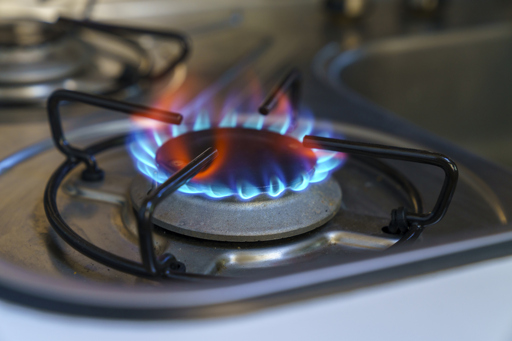
Look at the way it jets out. It jets sideways. The preview picture to this article even shows it. The only thing curving the flame upwards is convection. The instant the gas is out of the jet, it’s depressurized
I’ve spent a lot of time testing and modifying my hvac and general home circulation. My main tool is a smoke pencil, basically a pushbutton vape. Air is stupidly stagnant. Suction vents have stupidly low influence over the air even within arm’s length of the duct. Convection is the only thing carrying stove gasses upwards and if there’s no heat because it’s not lit, the methane isn’t going up on its own. Just diffusing into the air with a preference for sinking. But the amount coming out is pretty low for a reasonable lighting attempt and the dangerous ignitable level is much, much higher than what that attempt will dispense. A couple flaps with a hand towel or toaster tray will disperse it plenty for good measure