cross-posted from: https://infosec.pub/post/49184219
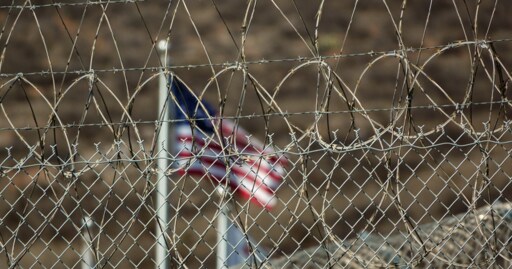
DHS bought the two Southern California prisons, Otay Mesa Detention Center and California City Detention Center, for about $1.5 billion on Monday. But the facilities will still be operated by CoreCivic employees, meaning the company will still generate income, over and above the sale price, from both prisons.
California law requires that privately held detention centers be subject to oversight by local and state authorities, as well as members of Congress.
Now that DHS owns the buildings, finding out what’s going on inside of them is likely to become harder.
“It seems like a very clear attempt to evade oversight and accountability,” said Alexa Van Brunt, a civil rights attorney with the MacArthur Justice Center. “If they own the building, then there is a very good argument that a state law cannot trump federal ownership,” Van Brunt explained. That sets up a potential oversight battle between California’s state government and the Trump administration.
…
The purchase could also protect the detention centers from legal attacks. As Katya Schwenk of The Lever put it in March, when the plans were first reported, federal ownership may help ICE evade not only state monitoring but “some lawsuits tied to alleged abuse, including labor violations.”
One such lawsuit concerns Otay Mesa: Owino v. CoreCivic, ongoing since 2017, is a massive class-action suit alleging forced labor practices there. It’s one of many attempts to curb or regulate ICE detention in California: just this week, the state sued to stop the construction of a new detention center outside the town of Gilroy.
…
If the federal government owns the buildings, it will “provide stronger credibility in the courts,” Zoley added, such that “states can only have very limited involvement in those policies and programs.”
ICE facilities across the country, both privately and publicly owned, have been slammed with lawsuits over detainee mistreatment, forced labor, health code violations, and deaths in custody. At least 21 people have died in ICE custody this year, according to data collected by lawyer and journalist Andrew Free, as the number of people detained by ICE skyrockets from around 45,000 last year to more than 63,000 as of this week. Denying state officials the right of inspection makes investigating those deaths—as UN human rights chief Volker Türk demanded this week—far harder.
…
Setareh Ghandehari, of the advocacy group Detention Watch Network, described the purchase as one facet of ICE’s mass expansion of incarceration: converting warehouses into detention centers, buying existing jails, and contracting to build new ones, all of which will “intensify the already cruel and inhumane conditions in ICE detention and streamline the agency’s ability to target and dehumanize immigrant communities to achieve its stated goal of ‘Amazonification’ of mass detention and deportation,” Ghandehari said.
“There still will be avenues for accountability,” Van Brunt, of MacArthur Justice, said. Even without the right of inspection, ICE-owned detention centers could be sued on constitutional grounds. But this purchase “does make it harder for people to get in those detention facilities at the state level and find out what’s actually going on,” Van Brunt continued. “It makes it much more of a black box, and it makes the people who are held there much more vulnerable to abuses and to poor conditions.”
DHS bought the two Southern California prisons, Otay Mesa Detention Center and California City Detention Center, for about $1.5 billion on Monday. But the facilities will still be operated by CoreCivic employees, meaning the company will still generate income, over and above the sale price, from both prisons.
For profit prison. Fucking dystopian nightmare.
They are for-profit concentration camps with illegal forced labor of the men, women, children , and babies inside who were not convicted of any crime.
According to the people inside, these camps do not provide potable water, edible food, medical care, education, or even beds. They don’t even turn the lights off at night.
That’s part of your free healthcare, America.
That’s money that could go to helping you buy food, pay for your electricity, pay for internet services, pay for free public transport 24/7 … all gome to protect monsters and some of the most evil abominations to walk this Earth.
Where is that little chipmunk-faced Kevin Hassett to pop up with his ridiculous grin and talk about “waste fraud and abuse” now? Or that dumbfuck fElon with his chainsaw?
DHS bought the two Southern California prisons, Otay Mesa Detention Center and California City Detention Center, for about $1.5 billion on Monday. But the facilities will still be operated by CoreCivic employees, meaning the company will still generate income, over and above the sale price, from both prisons.
California law requires that privately held detention centers be subject to oversight by local and state authorities, as well as members of Congress.
Now that DHS owns the buildings, finding out what’s going on inside of them is likely to become harder.
“It seems like a very clear attempt to evade oversight and accountability,” said Alexa Van Brunt, a civil rights attorney with the MacArthur Justice Center. “If they own the building, then there is a very good argument that a state law cannot trump federal ownership,” Van Brunt explained. That sets up a potential oversight battle between California’s state government and the Trump administration.
…
The purchase could also protect the detention centers from legal attacks. As Katya Schwenk of The Lever put it in March, when the plans were first reported, federal ownership may help ICE evade not only state monitoring but “some lawsuits tied to alleged abuse, including labor violations.”
One such lawsuit concerns Otay Mesa: Owino v. CoreCivic, ongoing since 2017, is a massive class-action suit alleging forced labor practices there. It’s one of many attempts to curb or regulate ICE detention in California: just this week, the state sued to stop the construction of a new detention center outside the town of Gilroy.
…
If the federal government owns the buildings, it will “provide stronger credibility in the courts,” Zoley added, such that “states can only have very limited involvement in those policies and programs.”
ICE facilities across the country, both privately and publicly owned, have been slammed with lawsuits over detainee mistreatment, forced labor, health code violations, and deaths in custody. At least 21 people have died in ICE custody this year, according to data collected by lawyer and journalist Andrew Free, as the number of people detained by ICE skyrockets from around 45,000 last year to more than 63,000 as of this week. Denying state officials the right of inspection makes investigating those deaths—as UN human rights chief Volker Türk demanded this week—far harder.
…
Setareh Ghandehari, of the advocacy group Detention Watch Network, described the purchase as one facet of ICE’s mass expansion of incarceration: converting warehouses into detention centers, buying existing jails, and contracting to build new ones, all of which will “intensify the already cruel and inhumane conditions in ICE detention and streamline the agency’s ability to target and dehumanize immigrant communities to achieve its stated goal of ‘Amazonification’ of mass detention and deportation,” Ghandehari said.
“There still will be avenues for accountability,” Van Brunt, of MacArthur Justice, said. Even without the right of inspection, ICE-owned detention centers could be sued on constitutional grounds. But this purchase “does make it harder for people to get in those detention facilities at the state level and find out what’s actually going on,” Van Brunt continued. “It makes it much more of a black box, and it makes the people who are held there much more vulnerable to abuses and to poor conditions.”
Nothing scares the USA more than people finding oil-free alternatives.