Normally, it makes sense to allow companies to certify their compliance with these types of regulations. It would be a waste of resources to have the government inspect every new model ahead of time to make sure they have things like mirrors and steering wheels. It’s not like they can lie on the forms and no one will notice. Nor would a normal car company have any reason to, since they’d just be setting themselves up for lawsuits, fines and costly recalls.
The difference here is that Tesla decided they could issue themselves an exemption from regulations, which is not the same thing. They want to declare the car street legal without including basic items mandated by law. Other companies making self-driving cars that wanted approval for models that lacked required equipment got exemptions before they launched their models. Tesla just said “it’s fine, we gave ourselves an permission” without even consulting NHTSA.
But that’s pretty much the way Tesla operates. They have a long history of ignoring laws, lying to regulators, withholding evidence, and generally acting like they can do whatever the hell they want. It’s been backfiring on them a little in more recent years, but not nearly as much as it should.


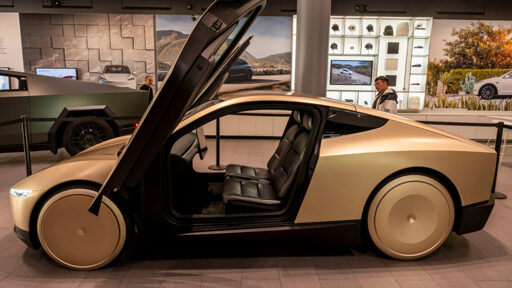
Shouldn’t they have investigated that before it was allowed to operate?
US allows carmakers to self certify first
That’s what I’m complaining about
deleted by creator
US, the land that keeps giving.
That’s abysmal. You should look for CE marked helmets (and things in general) that have been approved for sale in the European Union.
deleted by creator
That sounds like a right mess.
What the fuck?
Normally, it makes sense to allow companies to certify their compliance with these types of regulations. It would be a waste of resources to have the government inspect every new model ahead of time to make sure they have things like mirrors and steering wheels. It’s not like they can lie on the forms and no one will notice. Nor would a normal car company have any reason to, since they’d just be setting themselves up for lawsuits, fines and costly recalls.
The difference here is that Tesla decided they could issue themselves an exemption from regulations, which is not the same thing. They want to declare the car street legal without including basic items mandated by law. Other companies making self-driving cars that wanted approval for models that lacked required equipment got exemptions before they launched their models. Tesla just said “it’s fine, we gave ourselves an permission” without even consulting NHTSA.
But that’s pretty much the way Tesla operates. They have a long history of ignoring laws, lying to regulators, withholding evidence, and generally acting like they can do whatever the hell they want. It’s been backfiring on them a little in more recent years, but not nearly as much as it should.
He and Trump invented an entire government organization to cripple the people who would look into his bullshit.