Nuclear fission is the current cleanest way of generating on demand power, assuming you aren’t able to build a water based powerplant. If done correctly they can be built in such a way that they inherently fail in a state that renders them inert. I’m not all too familiar with the process, but that last time I looked, with proper refining of spent fuel, the waste was 10% or less than the original fissionable material.
The average reactor running today is 32 years old - “inherently fail-safe” describes future designs, not the existing fleet. On reprocessing: Germany has banned it by law since 2005, so that “10%” argument doesn’t even apply to the case you’re probably picturing. And reprocessing plants like La Hague, which separate weapons-grade plutonium, are exactly the kind of high-security, low-transparency facilities that make nuclear a political problem, not just a technical one.
I was not aware that you were referring to current infrastructure, I assumed since you were talking about solar and wind, which also need more build outs, that we were talking about building new infrastructure. I also wasn’t making any judgments based on legislation, since a decent amount of their justifications are “nuclear bad”, I will grant you that it is a considerable hurdle in most places of the world. This is also why I chose not to factor in the fact that nuclear fuel is generally also very useful for weapons which is another large political hurdle. As to your point about the secrecy of the refining facilities, I personally am opposed to security through obscurity, and I cannot currently think of a reason why the facilities need to be opaque, especially considering that I believe it helps alleviate large amounts of the political issue.


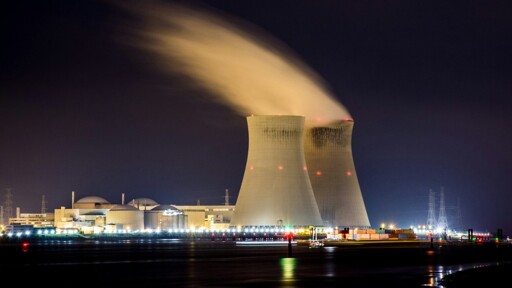
Nuclear fission is the current cleanest way of generating on demand power, assuming you aren’t able to build a water based powerplant. If done correctly they can be built in such a way that they inherently fail in a state that renders them inert. I’m not all too familiar with the process, but that last time I looked, with proper refining of spent fuel, the waste was 10% or less than the original fissionable material.
The average reactor running today is 32 years old - “inherently fail-safe” describes future designs, not the existing fleet. On reprocessing: Germany has banned it by law since 2005, so that “10%” argument doesn’t even apply to the case you’re probably picturing. And reprocessing plants like La Hague, which separate weapons-grade plutonium, are exactly the kind of high-security, low-transparency facilities that make nuclear a political problem, not just a technical one.
I was not aware that you were referring to current infrastructure, I assumed since you were talking about solar and wind, which also need more build outs, that we were talking about building new infrastructure. I also wasn’t making any judgments based on legislation, since a decent amount of their justifications are “nuclear bad”, I will grant you that it is a considerable hurdle in most places of the world. This is also why I chose not to factor in the fact that nuclear fuel is generally also very useful for weapons which is another large political hurdle. As to your point about the secrecy of the refining facilities, I personally am opposed to security through obscurity, and I cannot currently think of a reason why the facilities need to be opaque, especially considering that I believe it helps alleviate large amounts of the political issue.