Nuclear energy is the most energy dense form of power generation on the planet, and nothing else comes close. When fuel rods are “expended” taken out of a reactor after their 2 year cycle for the first time ~95% of the energy still remains in the rod. Chemical reprocessing can filter out the decay products and put the fissionable or fertile materials back into production.
Additionally, nuclear is one of the safest sources of power production on the planet. Disasters have occurred at places like Chornobyl, fukushima, and three mile island. And there’s a reason we don’t build reactors like that anymore. Every time an incident has occurred the rules for this power generation have been updated to ensure that such an incident can’t happen again.
As far as building a nuclear repository in my region? We are. We are are standing in the beginning of the next golden age of nuclear power.
While wind and solar are good to have for redundancy and diversity of power generation, they cannot change their generation ability easily at any point of day, during any weather conditions, regardless of external factors.
Nuclear’s global share fell from 17.5% (1996) to ~9% (2024) and is flat outside China. That’s not a golden age. Of the 63 reactors under construction worldwide, all but four are backed by China or Russia. No country has an operating repository yet, not even Finland. France had more than half its fleet down in 2022 from corrosion, and had to throttle reactors again this year from heat. And unlike renewables — ~40% of German renewable capacity is literally owned by private citizens and farmers through energy co-ops — nuclear requires the kind of capital and secrecy that only states or utilities can provide. 19 EU reactors are still fully fuel-dependent on Russia’s Rosatom right now, which bundles its reactor exports with political influence programs. That’s not a coincidence, it’s structural.


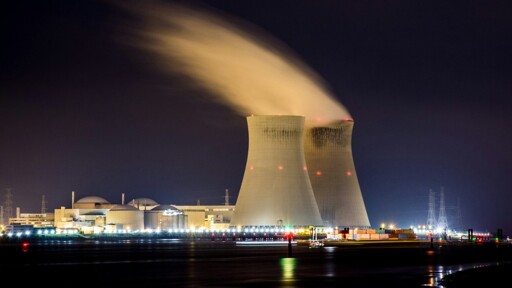
Nuclear energy is the most energy dense form of power generation on the planet, and nothing else comes close. When fuel rods are “expended” taken out of a reactor after their 2 year cycle for the first time ~95% of the energy still remains in the rod. Chemical reprocessing can filter out the decay products and put the fissionable or fertile materials back into production.
Additionally, nuclear is one of the safest sources of power production on the planet. Disasters have occurred at places like Chornobyl, fukushima, and three mile island. And there’s a reason we don’t build reactors like that anymore. Every time an incident has occurred the rules for this power generation have been updated to ensure that such an incident can’t happen again.
As far as building a nuclear repository in my region? We are. We are are standing in the beginning of the next golden age of nuclear power.
While wind and solar are good to have for redundancy and diversity of power generation, they cannot change their generation ability easily at any point of day, during any weather conditions, regardless of external factors.
Nuclear’s global share fell from 17.5% (1996) to ~9% (2024) and is flat outside China. That’s not a golden age. Of the 63 reactors under construction worldwide, all but four are backed by China or Russia. No country has an operating repository yet, not even Finland. France had more than half its fleet down in 2022 from corrosion, and had to throttle reactors again this year from heat. And unlike renewables — ~40% of German renewable capacity is literally owned by private citizens and farmers through energy co-ops — nuclear requires the kind of capital and secrecy that only states or utilities can provide. 19 EU reactors are still fully fuel-dependent on Russia’s Rosatom right now, which bundles its reactor exports with political influence programs. That’s not a coincidence, it’s structural.